What makes a chile relleno
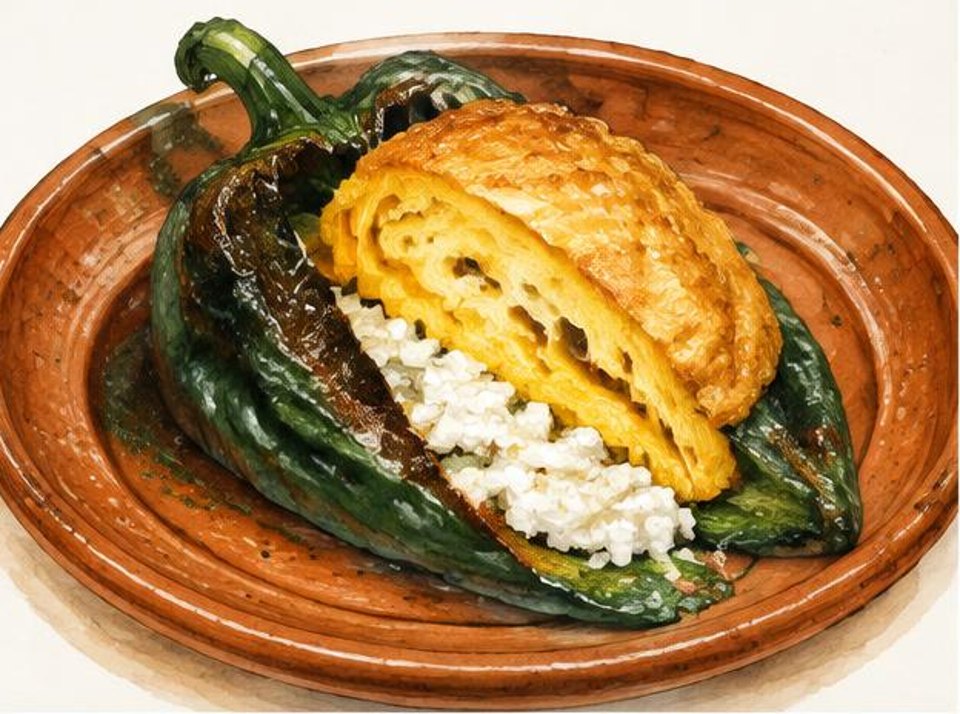
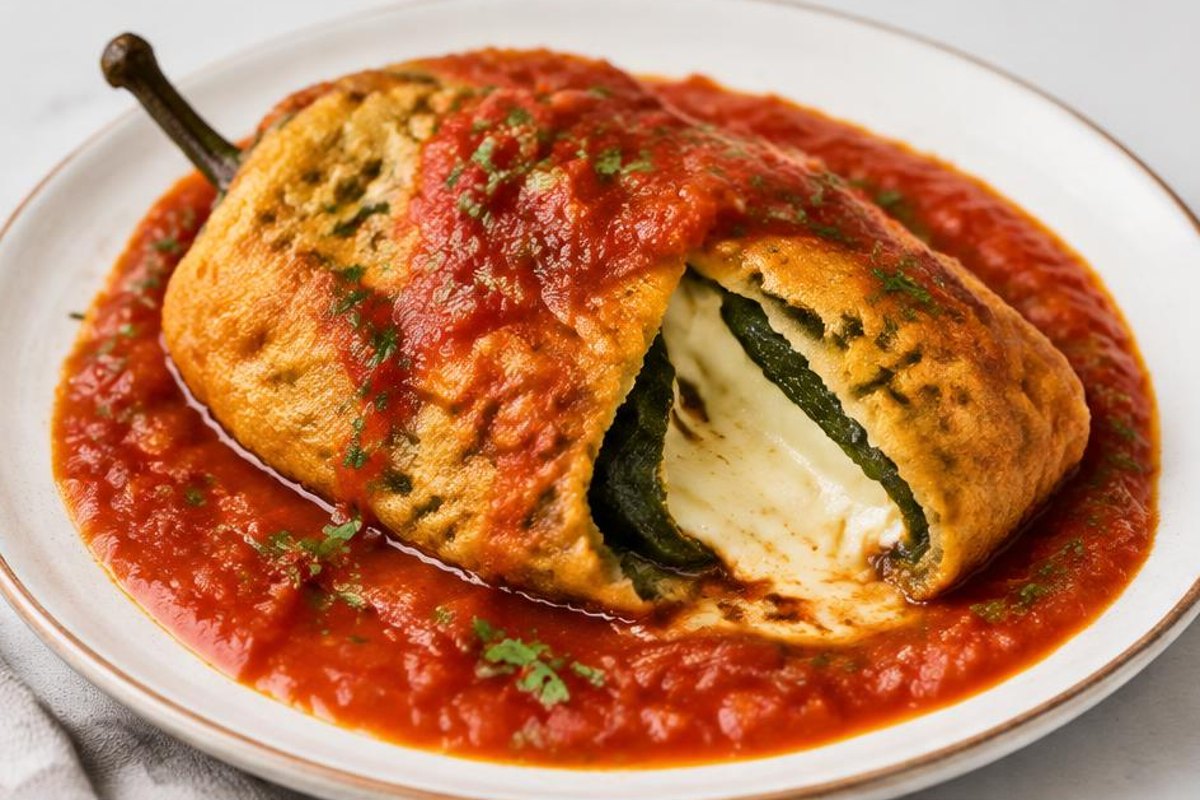
Chile relleno means “stuffed chile.” Recipes vary: whole poblanos may be filled with cheese, picadillo, or other fillings; they may be battered and fried or served without batter. A 19th-century description already mentions a green chile stuffed with minced meat and coated in egg, while contemporary Mexican and Mexican-American cooks maintain many regional and family approaches. This is one cheese-filled, battered version rather than a claim that one formula defines the dish. 1 2
The method has four jobs: loosen the poblano skin with roasting; keep the filling flavorful but not wet; close the opening; and fry a light egg coating. A bright tomato salsa supplies acidity without overwhelming the roasted pepper. A home-cook recipe adapted by the New York Times similarly emphasizes patient charring, a simple cheese filling, egg batter, and tomato sauce. 3
Ingredients
Chiles and filling
- 6 medium-large poblano peppers, firm and fairly straight
- 12 oz (340 g) queso ranchero, queso Oaxaca, or another mild melting cheese, cut into six batons
- 1 tbsp all-purpose flour, for dusting
- 6 wooden toothpicks, as needed
Salsa
- 1½ lb (680 g) ripe tomatoes, roughly chopped
- ¼ white onion; 2 garlic cloves; 1 serrano, optional
- ½ tsp fine salt, plus more to taste
- 1 tbsp neutral oil; ½ cup (120 ml) water or light stock
Batter and frying
- 4 large eggs, separated and at room temperature
- ¼ tsp salt; ⅓ cup (45 g) flour for dredging
- Neutral oil, about 1 inch deep in a heavy skillet
Method
Roast and prepare the poblanos
Roast peppers over a medium-high gas flame, turning with tongs until the skin is blistered on all sides and the flesh is pliable. Alternatively, broil on a tray, turning as needed. The aim is blistered skin, not a collapsed pepper. Transfer to a bowl, cover 10–15 minutes, then gently peel with fingers or a paper towel. Avoid rinsing unless necessary because water removes roasted flavor.
Make a lengthwise slit from below the stem toward the tip, preserving the stem and most of the pepper. Remove seeds and ribs carefully. Pat the cavity dry. For less heat remove all ribs; for more warmth leave a small amount.
Cook the salsa
Blend tomatoes, onion, garlic, serrano, salt, and water until smooth. Heat oil in a saucepan over medium heat; add the blend carefully as it may splatter. Simmer uncovered 15–20 minutes, stirring now and then, until the raw tomato aroma fades and the sauce lightly coats a spoon. Taste and adjust seasoning. Keep warm.
Fill and secure
Pat cheese dry and dust lightly with flour. Slide one baton into each pepper. Do not overfill: a modest seam is easier to close. Bring the slit edges together and secure with a toothpick. If a pepper tears, overlap the flesh and secure it rather than discarding it.
Make the egg batter
Whip egg whites with salt in a clean, dry bowl to glossy stiff peaks. Beat yolks smooth in a second bowl. Fold yolks into whites in two additions with a broad spatula. Stop when mostly combined; overmixing deflates the air that gives the coating lift.
Heat oil to about 350°F (175°C). If no thermometer is available, a small drop of batter should sizzle immediately and turn golden gradually rather than darkening in seconds. Dry each chile, dredge lightly in flour, and tap off excess. Dip into the egg batter, spooning it over any exposed patches.
Lower one or two chiles into the oil, seam-side up if possible. Fry about 2–3 minutes per side, turning once, until puffed and golden. Maintain about 325–350°F (163–175°C): cool oil makes a greasy coating; overly hot oil browns the batter before the chile warms. Drain on a wire rack. Remove toothpicks and serve promptly with salsa around or over the top.
Why the method works: roast, peel, coat, fry
Roasting does more than darken the skin. Heat softens the pepper’s structure and loosens the thin outer layer, so it can be removed without washing away the fruit’s flavor. The covered rest creates steam that loosens the skin further. The poblano should remain whole enough to contain the filling; if it becomes limp and splits when lifted, it was roasted too far or handled roughly.
The egg batter behaves more like a light foam than a conventional pancake batter. Whipped whites trap air; the yolks add richness and color. When the foam meets hot oil, water in the egg begins to vaporize and the proteins set around those air pockets. This is why the oil temperature matters and why the batter should be used promptly after folding. If it stands, liquid can drain from the foam and the coating becomes less even.
A thin flour layer is a practical adhesion aid, not a thick breading. Patting the chile dry first matters: water on the surface can make batter slip, and wet spots create uneven frying. The salsa is cooked separately so its water does not steam the crisp egg exterior before serving. If you prefer the chile fully sauced, spoon salsa on immediately before eating rather than holding the fried peppers submerged.
Variations and serving choices
The filling can be changed without changing the roasting and batter technique. Fresh cheese gives a mild, milky center; a melting Oaxaca-style cheese makes longer strands; a cooked picadillo filling turns the dish into a heartier main. Keep any meat filling cool and relatively dry before stuffing. A filling that is very wet can soften the pepper from the inside and increase the chance of a split.
Some cooks serve the salsa beneath the chile, others over it, and some bring the chile to the table with salsa on the side. The first preserves more surface crispness, the second gives a saucier bite, and the third lets diners choose. For a complete plate, add rice and beans in modest portions so the chile remains the centerpiece. A simple cabbage or radish salad contributes crunch and acidity.
Sensory checkpoints and troubleshooting
- Skin resists peeling: Roast a little longer or cover for another five minutes to steam.
- Pepper tears: It may be over-roasted or overfilled. Use less cheese and overlap the slit.
- Batter slides off: Dry the chile thoroughly and dredge immediately before dipping.
- Dense batter: Whites were under-whipped or deflated; use a clean bowl and fold gently.
- Greasy coating: Oil temperature dropped; fry fewer chiles and let the oil recover between batches.
- Cheese leaks: Use smaller batons, close the slit, and avoid puncturing the pepper repeatedly.
The salsa can be made three days ahead. Roast and peel peppers earlier in the day, but fill and batter shortly before frying. Serve with Mexican rice, beans, or cabbage salad. Refrigerate leftovers promptly and reheat in a 350°F (175°C) oven; the coating softens on storage.